Resources

The Journal provides insights into National Strategies and Action Plans, explaining their purpose, the reasons they may be necessary, and the processes involved in their development and implementation.
REDD+ Academy learning journal
This publication represents the outcome of a technical collaboration among WWF, Climate Focus, and UNDP.
Forest NDCs WWF UNDP

This Learning Journal was developed for the revitalized REDD+ Academy. This Journal explains the significance of the evolution of REDD+ under the United Nations Framework Convention on Climate Change, with a focus on the Warsaw Framework for REDD+, composed of the key decisions which laid out the required elements for implementation and access to results-based payments for REDD+ results achieved. The Warsaw Framework for REDD+ is intended to serve as the coordination framework for REDD+ at the national level.

This Learning Journal was developed for the revitalized REDD+ Academy. It highlights the importance of integrating social inclusion and gender considerations into REDD+ policies and actions, demonstrating how equitable participation and social inclusiveness and gender-responsive approaches strengthen outcomes for forests, communities, and climate goals.

This information note compiles UNDP's experience engaging with Indigenous Peoples (IPs) in GCF-funded programmes for sustainable forest and land mana

Climate finance and Indigenous peoples
This toolkit helps countries and partners build systems and safeguards to ensure carbon markets deliver credible and inclusive outcomes.
This new report provides case studies from five countries that have implemented REDD+ results-based payments projects.
This report examines how countries in the region are integrating AFOLU priorities into their climate strategies.
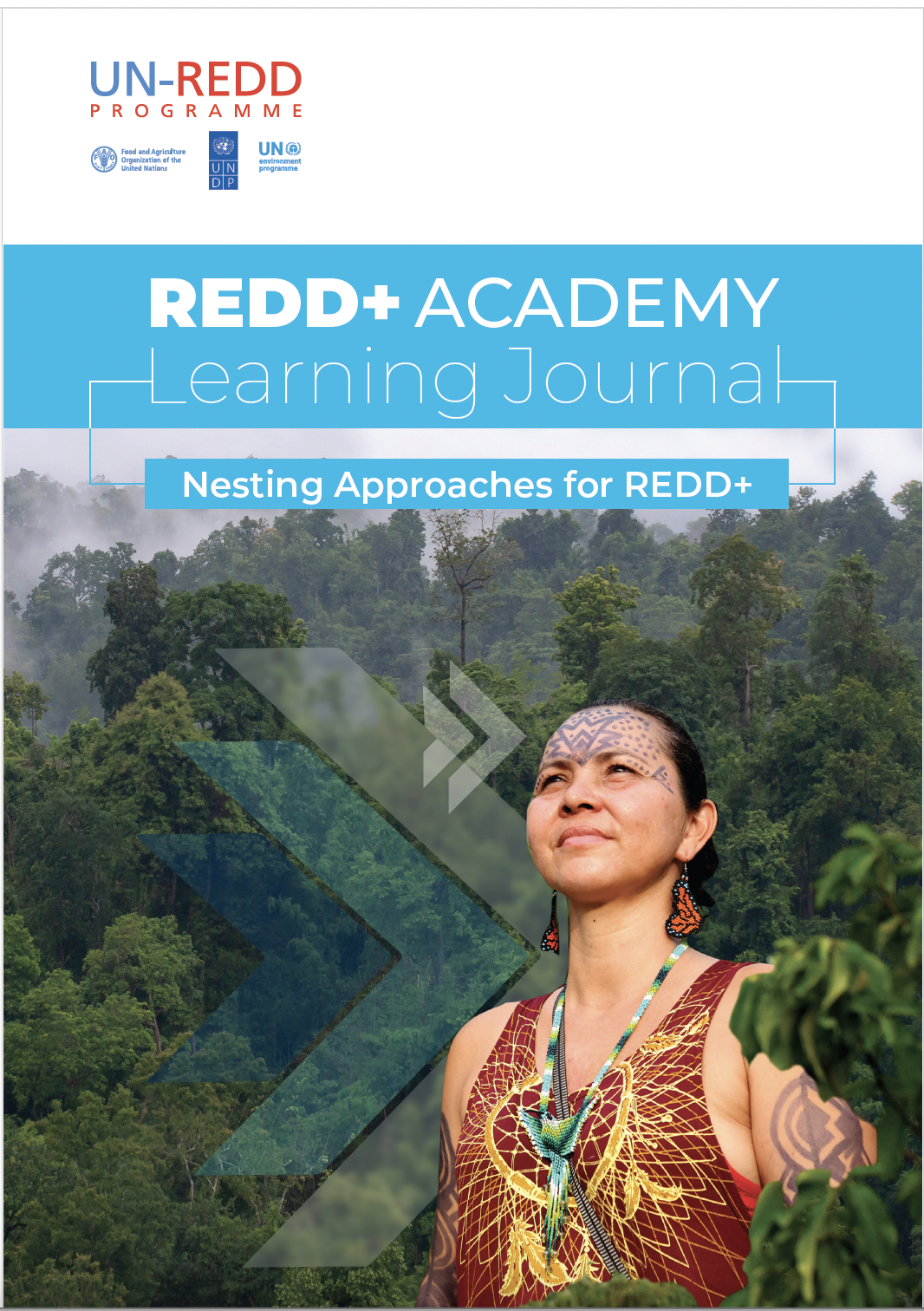
Nesting approaches for REDD+
redd+ academy nesting
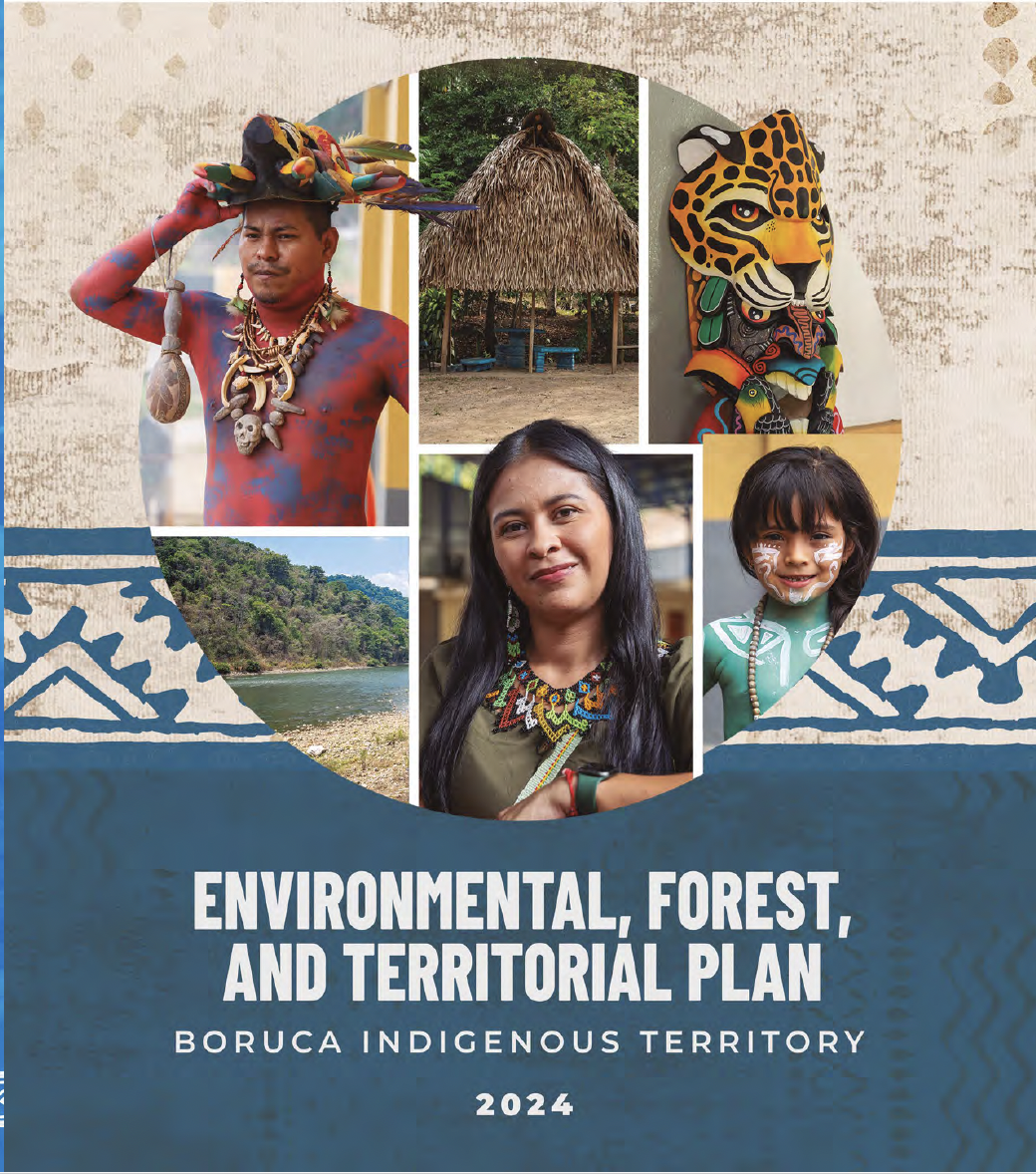
Plans developed with Indigenous territories in Costa Rica.
cover image
Facilitator’s guide developed by WWF México for the implementation of GCFTF.
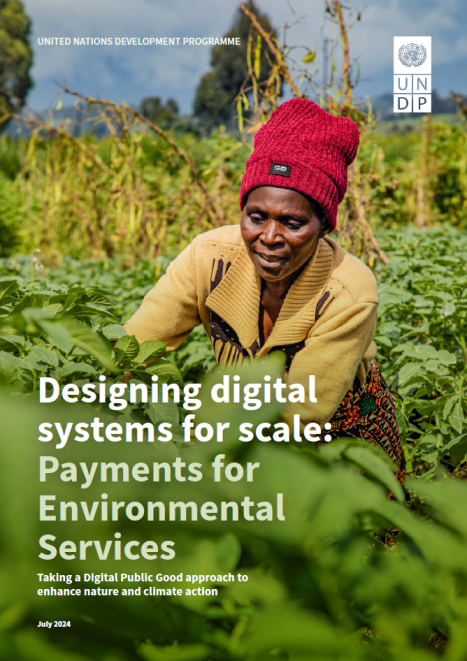
The publication explores the integration of digital technologies into Payments for Environmental Services (PES) schemes. PES is a results-based financing mechanism that incentivizes local communities, farmers, and Indigenous Peoples to engage in environmental conservation and restoration activities. The report underscores the potential of leveraging Digital Public Goods (DPG) and Digital Public Infrastructure (DPI) to enhance the scalability, efficiency, and effectiveness of PES programs.
Designing Digital Systems